
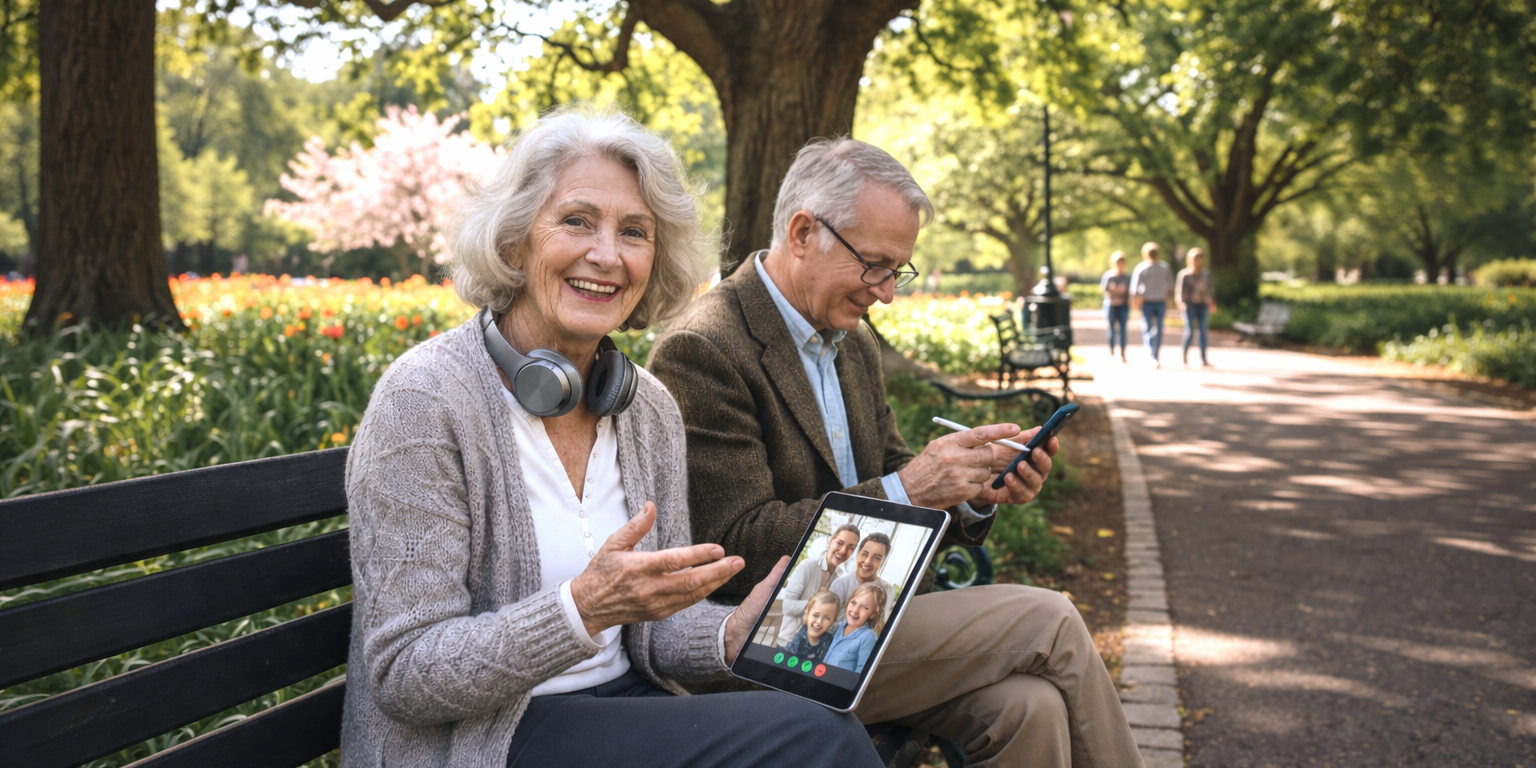
The world is currently experiencing an unprecedented demographic shift, with the elderly population expected to double by 2050 [1, 2]. It is projected that by 2050, one-fifth (20%) of the world’s population will be over 60 years old [3]. Other data indicate that the population aged 65 years and over, which amounted to 9% in 2019, will increase to 16% in 2050 [4]. As many as 80% of the elderly population is expected to live in low- and middle-income countries (LMICs) by 2050 [3].
Along with this shift, digital technology has become a fundamental part of providing healthcare services, especially for older adults [1]. However, older adults are often the most digitally marginalized group, because they have very limited exposure to smart devices and less opportunity to receive education about information and communication technology [5]. Mizrahi et al. (2024) also revealed the phenomenon of digital subordination in older adults, that the use of digital technology is generally high in the 55-74 age group, but decreases significantly in those over 75 years old [1].
Many older adults have low levels of proficiency in operating devices such as smartphones, tablets, or computers. This makes it difficult for them to search for health information online compared to younger age groups [5]. Therefore, older adults tend to have lower levels of Digital Health Literacy (DHL) than younger populations [2].
Digital health literacy (DHL) is the ability to obtain, search for, understand, evaluate, and use health information through digital technology to make appropriate health decisions or solve health problems [2, 3, 6]. The DHL concept is an extension of traditional health literacy into the digital environment, which requires individuals to have not only basic reading skills, but also technical skills in navigating digital platforms [2, 5]. In today’s DLH development, the elderly are the most vulnerable group due to a combination of overlapping physical, cognitive, psychological, and situational barriers.
A. Physical Barriers and Physiological Decline
As they age, older adults experience a decline in bodily functions that directly hinders interaction with digital devices. Vision and hearing problems are sometimes sensory impairments that make it difficult for older adults to read small text or hear voice instructions from applications [6, 7]. Furthermore, conditions such as arthritis and other motor impairments often make precise operation of touchscreen devices very difficult for older adults [7]. And, what is most tiring for older adults is the condition where too many technical disruptions make the overall process of learning new technology feel very difficult for them [6].
B. Cognitive Barriers and the Phenomenon of Information Illiteracy
Many older adults report having never heard the term “digital health literacy” or feeling unsure or unable to understand it when asked. This indicates a cognitive barrier where the individual is unaware of the specific skills needed to manage health in the digital age [6]. Older adults who experience blind spots or “information blindness” often have narrow or incorrect perceptions of digital literacy. They may perceive digital literacy as limited to basic skills in using a smartphone, online shopping, or using social media [6]. As a result of these blind spots, older adults tend to overlook core components of digital health literacy. They often find it difficult to distinguish accurate health information from false information (hoaxes) or information written for commercial/advertising purposes. This increases their risk of receiving and implementing inaccurate health advice [5]. This gap is even wider for older adults living in rural areas due to uneven internet infrastructure and limited devices [6].
In addition, seniors often quickly forget complex operating instructions for health applications, especially if the digital health application frequently updates its interface [5]. This makes it difficult for seniors to understand complex medical instructions, test results, or nutritional information presented through the application if the information is not presented in a way that is easy for them to understand [5, 7].
C. Psychological Factors between Anxiety and Resistance
Older adults tend to be more comfortable with traditional methods, such as face-to-face consultations with doctors, because they are perceived as more realistic, reliable, and provide a personal connection that telemedicine services lack [4]. Traditional methods provide a sense of reality and personal connection that digital services lack, so they feel more at ease when they can see and interact directly with medical personnel [6].
There’s also the fear of making a mistake or damaging the device by pressing the wrong button. Learning new technology is perceived as tiring and often triggers anxiety compared to the old methods they’re already familiar with. This context clearly creates reluctance when using smart devices for health [3, 6]. Furthermore, many older adults also refuse to use digital health platforms due to fear of online fraud (scams). They are particularly concerned about their money being stolen through fake websites or their personal data (such as medical records and phone numbers) being leaked [6]. Despite being aware of the risks, many older adults don’t know how to protect themselves technically, so they choose to avoid using technology altogether [6].
D. Social and Situational Barriers
The low digital health literacy of this elderly group makes them highly dependent on children or grandchildren to make medical appointments or read lab results, which can reduce their independence in managing their own health [4]. This phenomenon is often referred to as digital reciprocity, where younger generations help older adults navigate complex technology [6]. This dependency creates significant risks for older adults who live alone or are socially isolated. They often face insurmountable access barriers due to a lack of direct technical assistance at home [4, 5]. Therefore, interventions to improve older adults’ digital health literacy also need to involve their social support networks to make the learning process more effective and sustainable [6].

The Role of Digital Health Literacy in the Management of Non-Communicable Diseases in the Elderly
Currently, digital health literacy (DHL) in older adults is crucial, as mastery of DHL is a key determinant of successful self-management of Non-Communicable Diseases (NCDs) in the digital age. Elderly individuals with low DHL tend to have limited internet access, less trust in online health tools, and difficulty interacting with digital platforms, which directly impacts their disease management. They often miss opportunities to benefit from health interventions provided through digital services [3]. Meanwhile, older adults with high DHL are better able to monitor symptoms of chronic diseases, adjust medication dosages, and communicate effectively with healthcare providers through digital platforms [2].
Non-communicable diseases (NCDs) such as hypertension, diabetes, and cardiovascular disease account for approximately 74% of global deaths each year, with older adults often facing the most complex comorbidity burden [6]. The burden of NCDs is increasingly severe in low- and middle-income countries, where demographic and epidemiological transitions are occurring more rapidly than health systems are prepared to respond preventively. Residents of the WHO Southeast Asia region have a probability of death from NCDs of 21.62% in the 30-70 year age range. This figure is the second highest in the world after Africa (20.79%), and much higher than Europe (16.32%) or the United States (14.04%) [8].
It is also estimated that by 2050, 80% of the world’s elderly population will live in low- and middle-income countries (LMICs), including many countries in Southeast Asia. These regions often have health systems that are limited in resources to address the growing burden of chronic diseases in older adults [8]. This burden is exacerbated for older adults living in rural or remote areas, who face greater difficulties accessing physical healthcare due to the long distance from hospitals [6]. Although digital technologies such as telemedicine can be a solution, older adults in these regions often have lower digital health literacy and limited internet access than those living in urban areas, thus remaining marginalized from modern services [6].
To address the digital divide, various digital health literacy programs have been developed in several countries in Southeast Asia. For example, in Thailand, the DHL program, which utilizes digital tools (YouTube, infographics, Zoom), has been shown to improve health literacy and independent health behaviors in older adults [9]. In Indonesia, the implementation of community services focuses on direct training and the development of supportive physical environments for older adults [7]. However, in Southeast Asia, the adoption of digital technology in healthcare services remains relatively low. While the majority of digital healthcare interventions in Southeast Asia focus on providing information (35.6%) and service availability (34.7%), they are still lacking in aspects of quality (8.9%), accountability (5%), and efficiency (3.9%) [8]. This situation indicates that the main challenge for digital health in Southeast Asia is not merely expanding technology adoption, but rather the quality, governance, and alignment of intervention designs with vulnerable groups, particularly older adults.
Written by Bagus Pradana
Reference
-
- Mizrahi, D., et al., Digital health technology use among people aged 55 years and over: Findings from the 45 and up study. International Journal of Medical Informatics, 2025. 200: p. 105911.
- Hoffman, S., Health literacy and digital health literacy among older adults: public health interventions. 2025, Frontiers Media SA. p. 1764365.
- Sainimnuan, S., et al., Low Prevalence of Adequate eHealth Literacy and Willingness to Use Telemedicine Among Older Adults: Cross-Sectional Study From a Middle-Income Country. Journal of Medical Internet Research, 2025. 27: p. e65380.
- Shams-Ghahfarokhi, Z., Challenges in health and technological literacy of older adults: a qualitative study in Isfahan. BMC geriatrics, 2025. 25(1): p. 247.
- Kim, S., et al., Measuring digital health literacy in older adults: Development and validation study. Journal of Medical Internet Research, 2025. 27: p. e65492.
- Shao, Y., et al., Determinants of digital health literacy among older adult patients with chronic diseases: a qualitative study. Frontiers in Public Health, 2025. 13: p. 1568043.
- Sari, A., M. Rosidi, and A. Djollong, Digital Literacy among the Elderly: Literature Review and Implementation in Community Service. J. Community Dedication, 2024. 4: p. 455-465.
- Singh, V., et al., The potential of digital health interventions to address health system challenges in Southeast Asia: A scoping review. Digital health, 2025. 11: p. 20552076241311062.
- Intarakamhang, U., et al., Effects of Digital Health Literacy Program on Sufficient Health Behavior Among Thai Working-Age People With Risk Factors for Non-communicable Diseases. HLRP: Health Literacy Research and Practice, 2024. 8(2): p. e93-e101.